
Friselle - The Crispy Heart of Pugliese Cuisine
At first glance, friselle may seem like a hard, dry loaf. But this twice-baked wheat loaf is much more than it seems – it’s a cornerstone of southern Italian food culture , an ancient culinary relic, and one of the most refreshing and versatile ingredients in Mediterranean cuisine.
In this article, we’ll explore what friselle is, where it comes from, how it’s made, and how you can use it – especially in the warmer months when light, fresh dishes reign supreme. Whether you’re new to friselle or already a fan, get inspired!
A little history: where does friselle come from?
Friselle (plural; singular: frisella) is part of a long tradition of durable, twice-baked breads found in Mediterranean cultures – such as the Greek paximathia or the French biscotti (which literally means "twice-baked").
Ancient sailors and travel food
Their history dates back thousands of years. According to archaeological and historical sources, various versions of friselle were eaten by sailors and merchants sailing the Mediterranean as early as the 10th century BC. The bread's dryness and hardness meant it could be stored for long periods of time without spoiling - a critical characteristic before the advent of modern refrigeration.
In ancient times, friselle was sometimes soaked in seawater and olive oil, making a simple but nutritious dish that served as food for fishermen and travelers.
Bread of the Crusaders and Peasant Kitchens
In Puglia – the “heel of Italy’s boot” – friselle was so popular that it was nicknamed “the bread of the crusaders”. The idea was simple: soldiers and pilgrims needed a food they could take with them, and friselle was the perfect fit. On land, friselle also found its way into peasant kitchens. It could be produced in large quantities, stored easily, and rehydrated whenever hunger struck – whether on the farm, in the fields or at sea.
Today, friselle is no longer just a survival food – it is a beloved symbol of Puglia's culinary identity and a staple of light, tasty dishes, especially in summer.
What exactly is friselle?
Friselle is more specifically a twice-baked bread ring that is sometimes compared to a bagel. It is not a soft bread like ciabatta or focaccia, but rather a dry, crispy base waiting to be brought to life and dressed up.
Double baking gives friselle its characteristic texture: the inside becomes soft due to the water, while the outside remains slightly crispy.
Making friselle: an artisanal tradition
The magic of friselle starts with simple ingredients (durum wheat flour, water, salt, yeast) and ends with something truly unique. That's all - no sugar or fat is added to the dough - which contributes to its long shelf life.
The defining step in making friselle is baking it twice.
- First baking: The dough is formed into rings (like large bagels). These are baked until completely cooked through.
- Slicing and drying: After cooling slightly, each ring is sliced horizontally.
- Second baking: The halves are baked again at a lower temperature until they are completely dry and crispy.
This process removes almost all moisture, making friselle extremely durable and long-lasting.
Sponzare: the art of soaking friselle
Before eating, friselle needs to be rehydrated – a step locals call “sponzare”. Place the friselle under cold running water for a few seconds or dip it briefly in a bowl. You don’t want to make a bread soup – you want a texture that is soft on the inside but still a bit hard and crunchy on the outside.
In the past, they were also soaked in seawater to make them more tasty and practical.
Soaking activates the porous interior of the frisella, making it ready to absorb oils and toppings.

Serving and variations: classic and creative uses
Once softened, friselle becomes the basis for countless delicious combinations – from classic to creative.
Classic Puglia style: extra virgin olive oil, fresh, ripe tomatoes, halved or quartered, sea salt, a little oregano or basil. Optionally, garlic rubbed on the surface before soaking.
This combination highlights the freshness of tomatoes and the flavor of quality olive oil – perfect for hot summer days.
Regional variations: Different variations can be found in southern Italy.
In Calabria: tropea served with red onion and chili pepper, in Campania: often made with caponata, which is a mixture of tomatoes, anchovies, oregano, and sometimes olives and eggplant.
It can be made with tuna and red onion, burrata or mozzarella, but creative toppings can include anchovies and capers, grilled vegetables such as zucchini and eggplant, a fusion-flavored seafood tartare, or smoked salmon.
Food for all seasons
Although friselle shines in the summer with tomato salads and light toppings, friselle can be used year-round, with heartier ingredients like roasted vegetables, bean salads, or savory spreads.
Friselle is more than a regional curiosity – it’s proof of how simple, humble ingredients can be transformed into something deeply meaningful and versatile. From ancient sailors to modern gastronomes, this twice-baked bread has traveled through time and tables to become a beloved part of southern Italian food culture.

-
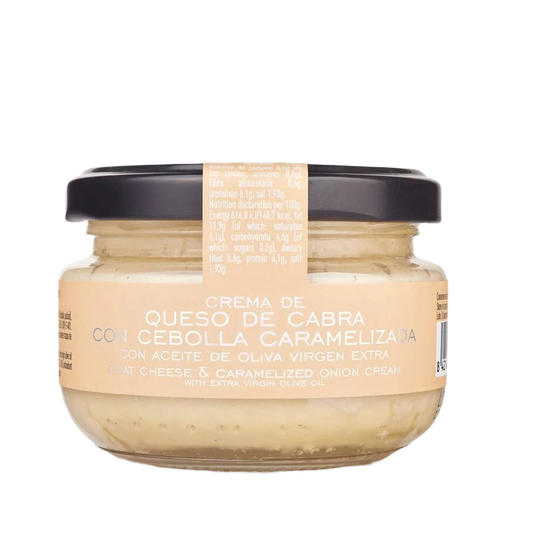
Goat Cheese Cream with Caramelized Onions, 120 g
Regular price 1.790 FtRegular priceUnit price 14.917 Ft per kg -
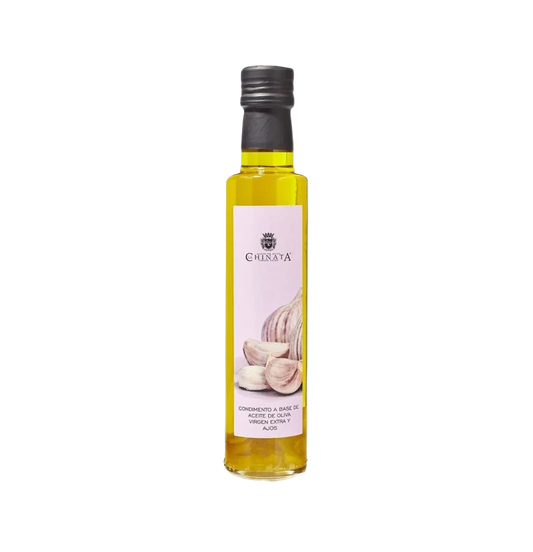
Extra Virgin Olive Oil with Garlic, 250 ml
Regular price 3.270 FtRegular priceUnit price 13.080 Ft per l -
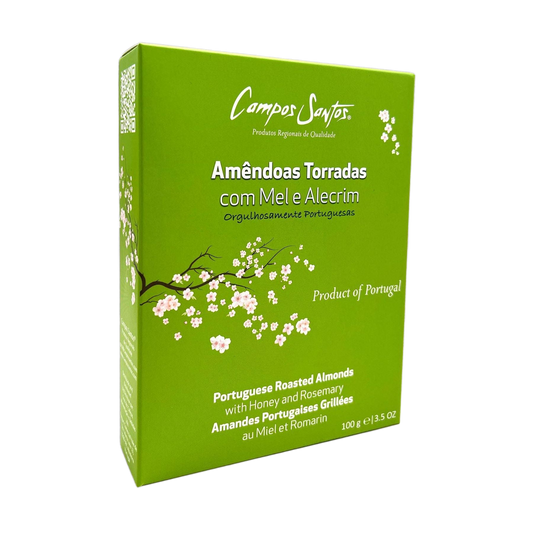
Roasted Almond with Honey and Rosemary, 100 g
Regular price 1.720 FtRegular priceUnit price 17.200 Ft per kg -
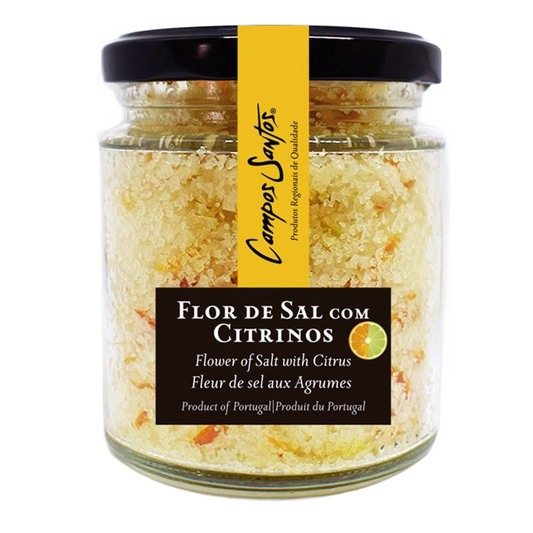
Flor de Sal, Salt Flowers with Citrus, 150 g
Regular price 2.990 FtRegular priceUnit price 19.933 Ft per kg -
Tuna fillet with orange and cloves, 110g
Regular price 1.560 FtRegular priceUnit price 14.182 Ft per kg -
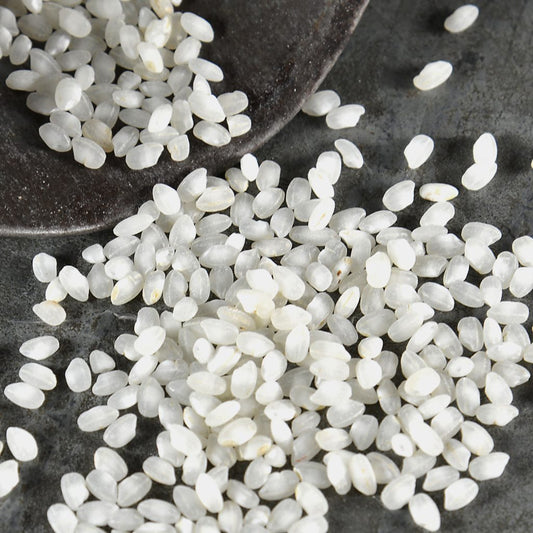
Bomba Rice D.O.P. Valencia, 1000 g
Regular price 3.790 FtRegular priceUnit price 3.790 Ft per kg -
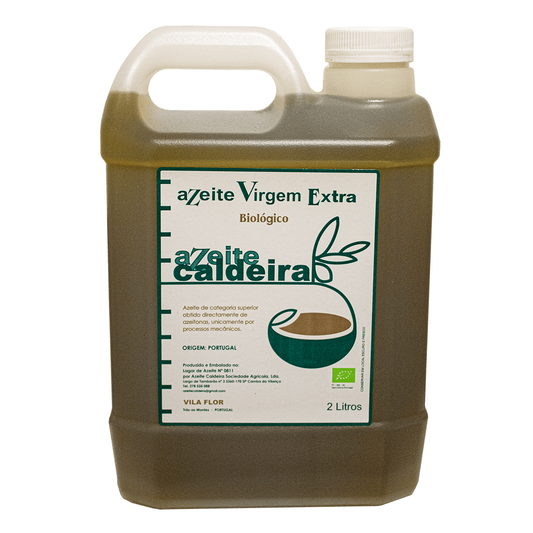
Bio Extra Virgin Olive Oil
Regular price From 2.850 FtRegular priceUnit price 11.400 Ft per l -
Fructus Rosé 2021, Labrugeira
Regular price 3.490 FtRegular priceUnit price 4.653 Ft per l -
Parmigiano-Reggiano Cheese Aged 24 Months
Regular price From 2.064 FtRegular priceUnit price 12.900 Ft per kg -
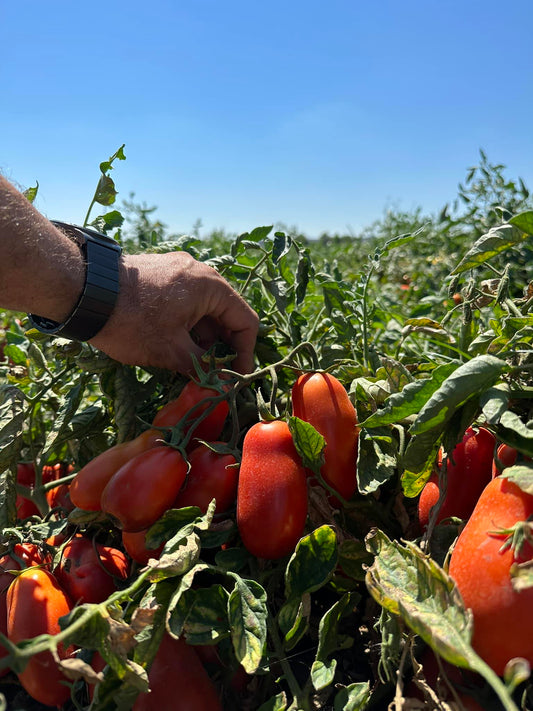
Fried Tomato Sauce
Regular price 1.870 FtRegular priceUnit price 2.671 Ft per kg