
What is vermouth? – Get to know one of Spain’s most popular aperitifs!
When you hear the word vermouth, you probably think of an old, sweet drink or a classic cocktail. Yet in Spain, vermouth means much more than that: it is a tradition over a hundred years old that remains an essential part of weekend family lunches and gatherings with friends to this day.
A drink whose history dates back centuries
Vermouth is always based on wine, which is flavored with various herbs, spices, flowers, and botanical extracts. It gets its name from the German word Wermut (wormwood), as wormwood is one of the defining ingredients in most vermouths.
However, today’s vermouth recipes are far more complex: a single producer may use as many as 50–80 different herbs and spices. Cinnamon, vanilla, coriander, cardamom, citrus peels, gentian, cloves, or even chamomile – every winery works according to its own closely guarded secret recipe. That is precisely why no two vermouths are alike.
Why is it so important in Spain?
Although many associate vermouth with Italy, it has at least as much tradition in Spain, particularly in Catalonia.
In fact, there is even a specific expression for it:
"Hacer el vermut."
Literally translated, it means "to do the vermouth."
In reality, however, it is about much more than that.
Around noon on Sunday, family members and friends meet on a bar terrace or at home, order a glass of well-chilled vermouth, accompanied by a few olives, chips, canned shellfish or fish, or perhaps some jamón serrano, and have a long chat before lunch.
A true Mediterranean lifestyle...
How do the Spanish consume it?
Vermouth is rarely drunk "neat."
The classic serving style:
- plenty of ice,
- a slice of orange or lemon,
- perhaps an olive,
and nothing else.
Many also freshen it up with a splash of soda, while light long drinks mixed with tonic are increasingly being made from white vermouth.
Red or white?
Red vermouth
The red version has a richer, spicier character.
It is generally slightly sweet, characterized by aromas of orange peel, cinnamon, vanilla, and herbs, finished with a pleasant, subtle bitterness.
It is an excellent aperitif, but also perfect with tapas.
White vermouth
White vermouth is fresher and lighter.
Due to its floral, citrusy, and refreshing aromas, it is particularly pleasant in summer, consumed with ice or tonic. Many start their exploration of the world of vermouths with exactly this variety.
What is worth serving with it?
One of the greatest advantages of vermouth is that it pairs wonderfully with a myriad of Mediterranean snacks.
From the Sol Deli selection, for example, excellent pairings include:
- Bernal olives
- Guindillas (mildly spicy pickled peppers)
- Jamón Serrano
- Manchego or Idiazabal cheese
- Mariscadora seafood delicacies
- Patatas Bravas with salsa brava
It is no coincidence that in Spain, tapas and vermouth are practically inseparable.

Yzaguirre – in the service of vermouth for over 140 years
When it comes to vermouth, it is worth mentioning the name Bodegas Yzaguirre.
The Catalan winery has been producing vermouths since 1884 based on its own recipes passed down through generations. Their drinks are based on carefully selected wines and a secret blend of more than 80 herbs and spices.
Today, Yzaguirre vermouths can be found in more than forty countries around the world, while they have maintained the traditional philosophy that has defined the winery's work for over 140 years.
If you are just getting to know vermouths…
...then the best thing you can do is chill a bottle of vermouth well, put a few ice cubes and a slice of orange or lemon in your glass, and prepare a few simple tapas to go with it.
You don't need a holiday or a special occasion.
That is precisely the beauty of it.
According to the Spanish, vermouth is not just a drink, but an excuse to slow down a little, have a conversation, and enjoy time spent together.

-
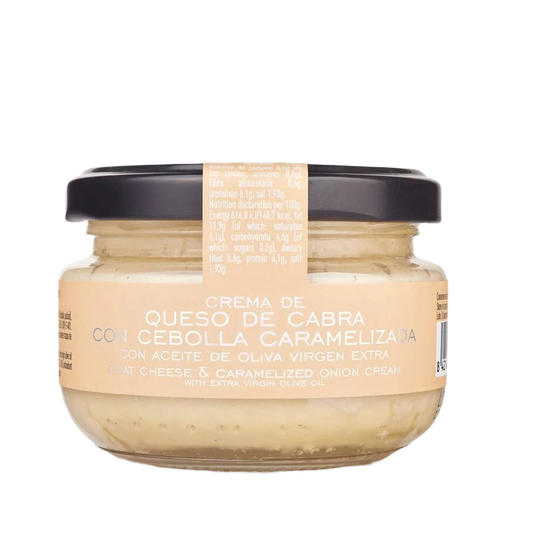
Goat Cheese Cream with Caramelized Onions, 120 g
Regular price 1.790 FtRegular priceUnit price 14.917 Ft per kg -
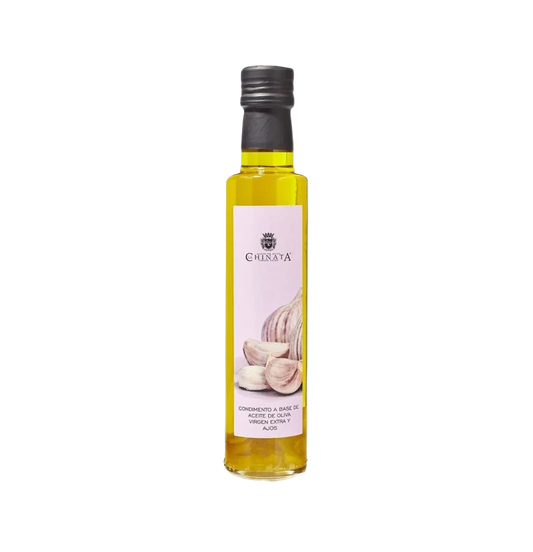
Extra Virgin Olive Oil with Garlic, 250 ml
Regular price 3.270 FtRegular priceUnit price 13.080 Ft per l -
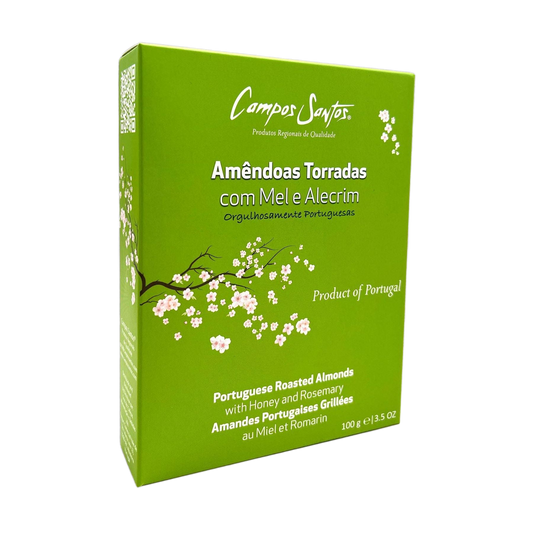
Roasted Almond with Honey and Rosemary, 100 g
Regular price 1.720 FtRegular priceUnit price 17.200 Ft per kg -
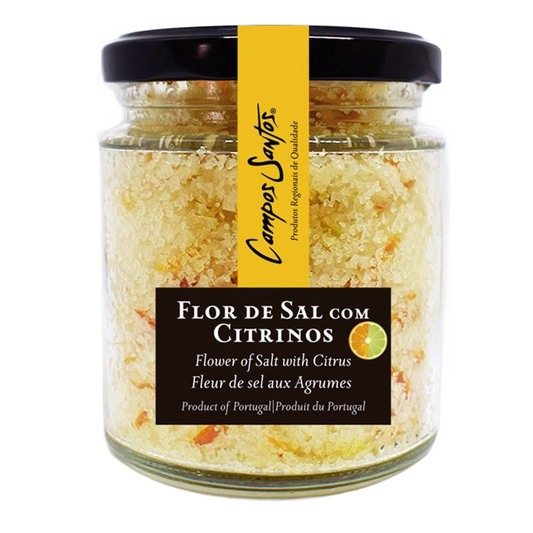
Flor de Sal, Salt Flowers with Citrus, 150 g
Regular price 2.990 FtRegular priceUnit price 19.933 Ft per kg -
Tuna fillet with orange and cloves, 110g
Regular price 1.560 FtRegular priceUnit price 14.182 Ft per kg -
Bomba Rice D.O.P. Valencia, 1000 g
Regular price 3.790 FtRegular priceUnit price 3.790 Ft per kg -
Bio Extra Virgin Olive Oil
Regular price From 2.850 FtRegular priceUnit price 11.400 Ft per l -
Fructus Rosé 2021, Labrugeira
Regular price 3.490 FtRegular priceUnit price 4.653 Ft per l -
Parmigiano-Reggiano Cheese Aged 24 Months
Regular price From 2.064 FtRegular priceUnit price 12.900 Ft per kg -
Fried Tomato Sauce
Regular price 1.870 FtRegular priceUnit price 2.671 Ft per kg