
Spaghetti Carbonara recipe
Spaghetti carbonara is one of the most famous pasta dishes in Roman cuisine. The authentic Italian carbonara recipe requires only five simple ingredients: spaghetti, guanciale, black pepper, Pecorino Romano cheese, and eggs. We'll show you how to make the perfect version.
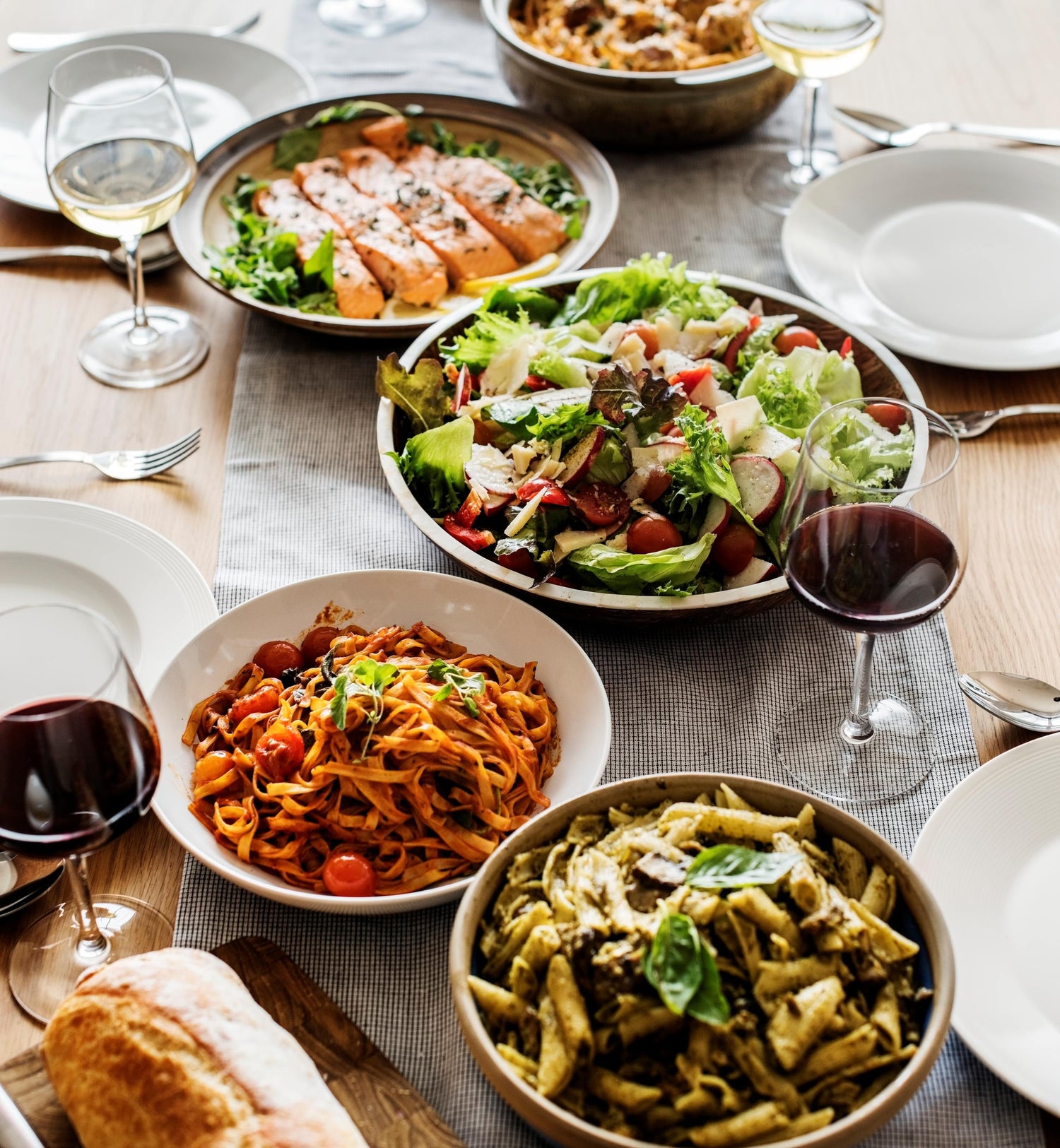
The secret to authentic Carbonara lies in using high-quality ingredients and adhering to the original Roman method. Nothing else is needed – no cream, no milk, no garlic, no onion, no pancetta, no bacon. The traditional recipe is all about simplicity and balance.
There are many variations of carbonara, even in Italy. But if you're looking for the classic carbonara recipe, this is it. The only challenge? To create a creamy sauce from the egg without it turning into scrambled eggs or remaining raw.
Follow our step-by-step guide and you'll learn all the tips and tricks to make the perfect Italian carbonara at home!
INGREDIENTS (for 4 people):
- 350 g spaghetti (use only high-quality pasta)
- 200 g guanciale (Italian cured pork jowl)
- 4 eggs (1 egg per serving)
- 100 g finely grated Pecorino cheese
- Freshly ground black pepper to taste
PREPARATION:
1. First, boil a pot of water
2. Cut the guanciale into small pieces – most commonly, it is cut into strips about 4-5 cm long and 7-8 mm wide, but you can also dice it.
3. Place the guanciale in a cold (!) pan and fry over medium heat, stirring occasionally, until evenly cooked and the fat has rendered. Once done, remove the pan from the heat, take out the guanciale from the fat and place it on a paper towel.
NOTE: The longer you cook the guanciale (slowly), the crispier it will become as the fat renders out. You can decide how crispy or soft you want it – some like it golden brown and crunchy, others prefer it softer.
No oil is needed for frying!
4. Separate 3 eggs, putting the yolks (and the fourth, whole egg) into a bowl. Whisk the eggs, then add the grated pecorino cheese until it forms a smooth, thick, and creamy consistency.
NOTE: Pecorino is naturally salty (as is guanciale), so there's no need to add extra salt.
5. Add freshly ground black pepper to the creamy sauce and mix well. The egg and pecorino sauce should be thick and creamy. Set aside for now.

6. Salt the boiling water (approx. 10 g salt/liter), then cook the spaghetti for 2-3 minutes less than the package instructions (a bit harder than al dente).
7. Turn the heat under the pan to medium, then when the pasta is ready, transfer the hot spaghetti with tongs to the pan containing the rendered fat and quickly toss to coat the pasta with the melted fat.
8. Add about one ladleful (half a cup) of pasta water to the pasta and mix thoroughly – this is the first step in creating the cream.
Now we have reached the crucial moment of preparing real carbonara.
9. REMOVE the pan from the heat and let the pasta cool for 20-30 seconds – otherwise, the egg will overcook, and instead of creamy carbonara, we'll get scrambled eggs.
Pour the egg-pecorino-pepper mixture over the pasta and quickly and thoroughly mix. At this point, you will need to add a little more pasta cooking water. Since the pan is no longer on the heat, the egg will slowly become smooth and creamy as you mix, without lumps.
While mixing, observe the consistency and add a little pasta water if needed – carefully. The cream under the pasta should be velvety, not too runny.
Once this is done, put the pan back on the heat for half a minute to warm up the pasta a bit, and: the authentic spaghetti alla carbonara is ready!
Serve immediately, hot (make sure there is plenty of cream on the pasta), sprinkle with crispy guanciale, extra black pepper, and a little grated Pecorino cheese.
Buon appetito!

-
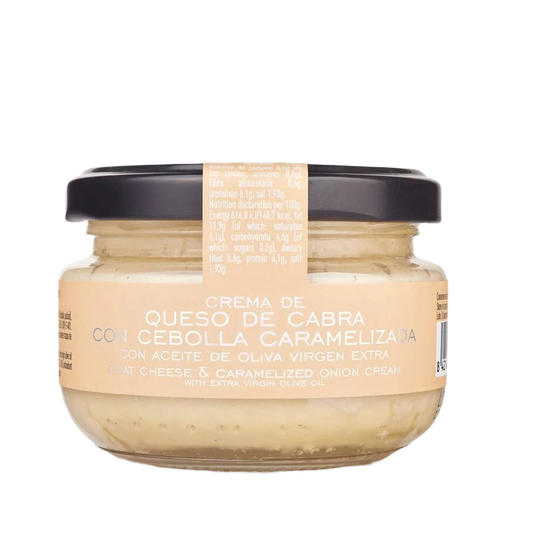
Goat Cheese Cream with Caramelized Onions, 120 g
Regular price 1.790 FtRegular priceUnit price 14.917 Ft per kg -
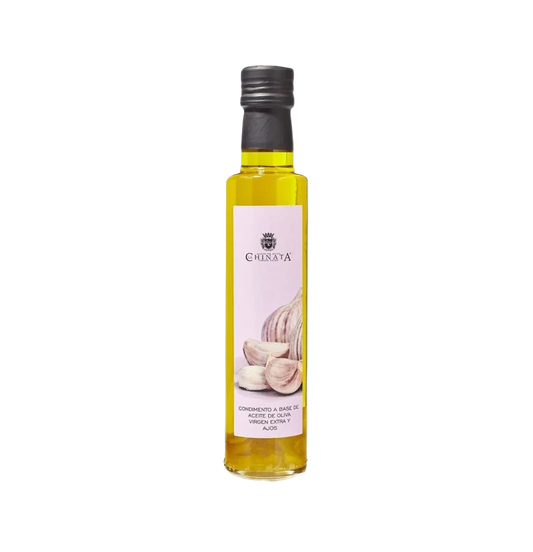
Extra Virgin Olive Oil with Garlic, 250 ml
Regular price 3.270 FtRegular priceUnit price 13.080 Ft per l -
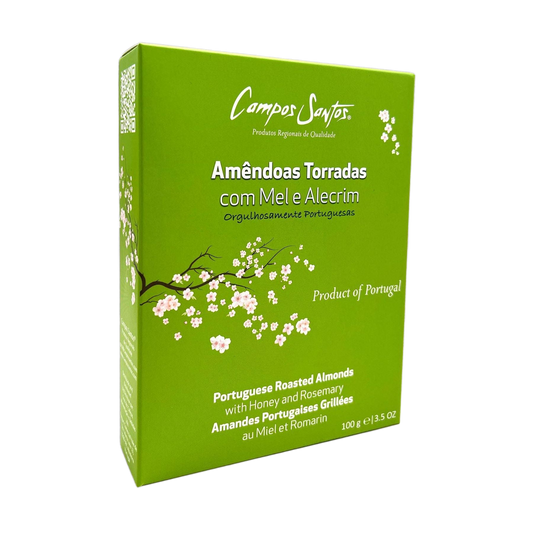
Roasted Almond with Honey and Rosemary, 100 g
Regular price 1.720 FtRegular priceUnit price 17.200 Ft per kg -
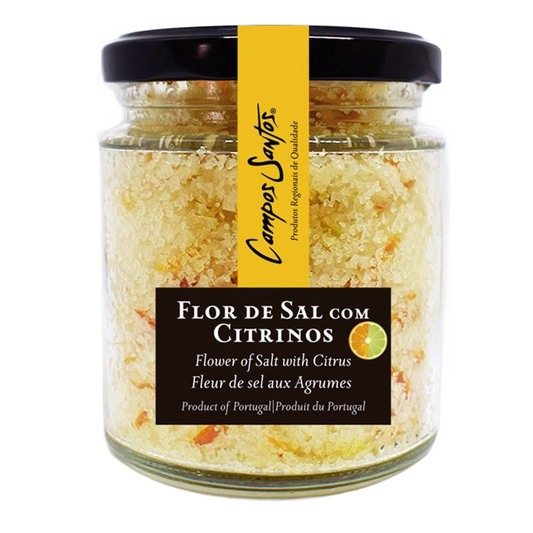
Flor de Sal, Salt Flowers with Citrus, 150 g
Regular price 2.990 FtRegular priceUnit price 19.933 Ft per kg -
Tuna fillet with orange and cloves, 110g
Regular price 1.560 FtRegular priceUnit price 14.182 Ft per kg -
Bomba Rice D.O.P. Valencia, 1000 g
Regular price 3.790 FtRegular priceUnit price 3.790 Ft per kg -
Bio Extra Virgin Olive Oil
Regular price From 2.850 FtRegular priceUnit price 11.400 Ft per l -
Fructus Rosé 2021, Labrugeira
Regular price 3.490 FtRegular priceUnit price 4.653 Ft per l -
Parmigiano-Reggiano Cheese Aged 24 Months
Regular price From 2.064 FtRegular priceUnit price 12.900 Ft per kg -
Fried Tomato Sauce
Regular price 1.870 FtRegular priceUnit price 2.671 Ft per kg